Why the Dead Sea Never "Dies"

"The Dead Sea has no fish, no seaweed, and almost no life. Yet for thousands of years, people have traveled there seeking something they couldn't find anywhere else."
At first glance, the Dead Sea seems like a contradiction.
It is called a sea, yet it has no connection to any ocean. It contains almost no visible aquatic life. Its waters are too mineral-rich for fish to survive. Along its shores, the landscape appears rugged, dry, and almost otherworldly.
And yet, for thousands of years, people have traveled great distances to reach it.
Why?
Because the Dead Sea is not known for what lives in it.
It is known for what it contains.
A Natural Mineral Treasure
The Dead Sea sits at the lowest point on Earth's surface, more than 1,400 feet (430 meters) below sea level. Water flows into the basin from the Jordan River, but it has no outlet.
Under the intense desert sun, water continuously evaporates while minerals remain behind.
Over thousands of years, this process has concentrated an extraordinary collection of minerals into the water and shoreline deposits. Today, the Dead Sea contains one of the highest mineral concentrations found anywhere on Earth.
Magnesium, potassium, calcium, bromide, and dozens of trace elements are naturally present in its waters and mineral deposits. These minerals create the unique environment that has fascinated travelers, scholars, and wellness seekers for centuries.
Why People Have Traveled There for Thousands of Years
Ancient Egyptians valued Dead Sea minerals and mud. Historical records suggest that traders transported materials from the region throughout the ancient world.
Roman nobles visited the area. Kings and queens sought its unique resources. Over generations, stories spread about the unusual waters and mineral-rich shoreline.
Long before modern wellness trends existed, people recognized that the Dead Sea was unlike any other place on Earth.
They came not for recreation alone, but for the experience of immersion in a landscape shaped by minerals, sun, and time.
The Secret of Carnallite
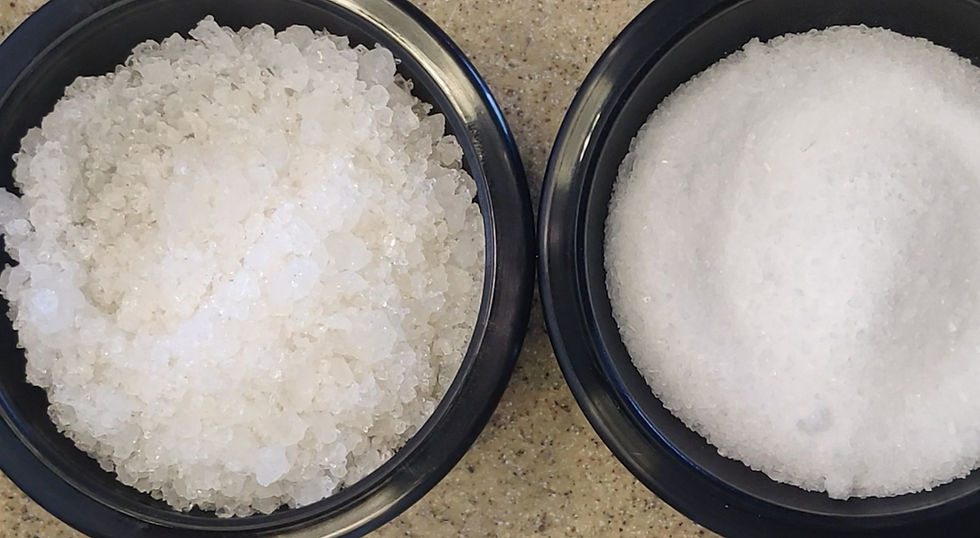
Among the many minerals found in the region is Carnallite, a naturally occurring mineral composed primarily of magnesium and potassium chlorides.
Unlike ordinary salt deposits that contain large amounts of sodium chloride, Carnallite is naturally rich in magnesium and potassium while remaining relatively low in sodium.
This unique mineral composition is one of the reasons why Carnallite has become increasingly valued by people seeking authentic Dead Sea mineral experiences.
Every crystal represents thousands of years of natural concentration beneath the desert sun.
Why the Jordanian Side Is Especially Interesting
When most people think of the Dead Sea, they often picture the western shoreline. Yet the eastern shore in Jordan offers some of the most fascinating and least-known parts of the entire region.
The Jordanian side remains more natural, less developed, and closer to the desert landscape that has shaped the Dead Sea for thousands of years.
This side of the Dead Sea is home to extensive mineral-rich deposits, natural mud fields, and some of the world's most significant Carnallite resources.
The dramatic desert mountains rise directly behind the shoreline, creating a striking contrast between rugged earth and shimmering mineral waters.
Jordan's southern Dead Sea region also contains vast evaporation basins where nature and climate work together to concentrate minerals over time. These conditions contribute to the formation and harvesting of high-quality Carnallite and other valuable mineral resources.
For many visitors, the Jordanian side feels less commercial and more connected to the ancient story of the Dead Sea itself.
It is a place where the relationship between desert, sun, water, and minerals can still be seen unfolding today.
A Living Legacy
The Dead Sea may appear lifeless at first glance, but its story is anything but dead.
Every mineral crystal carries the memory of ancient waters, desert winds, and thousands of years of natural transformation.
People continue to visit the Dead Sea for the same reason they always have: to experience something found nowhere else on Earth.
The sea itself may not support fish or seaweed.
But its mineral legacy continues to thrive.
And that is why the Dead Sea never truly dies. With passion
Anna


Comments