What Is Carnallite Salt and Why Is It Used in Mineral Baths?
Updated: Aug 3
If you have ever stepped out of a bath with ordinary sea salt and felt your skin tight, dry, or slightly itchy, the reason usually comes down to one ingredient. Sodium chloride. Most bath salts on the market, including many labeled as Dead Sea salt, are made almost entirely of it. Carnallite salt is different, and that difference is exactly why it has quietly become the preferred choice for people who take mineral bathing seriously.
In this guide, we explain what carnallite salt actually is, where it comes from, and why its unique mineral profile makes it so well suited to home mineral baths.

What Exactly Is Carnallite Salt?
Carnallite is a naturally occurring mineral that crystallizes in the deepest, most concentrated layers of the Dead Sea brine. While common table salt and standard sea salt are dominated by sodium chloride, carnallite forms as a hydrated compound of magnesium and potassium chloride. In simple terms, it is a salt where magnesium and potassium take center stage instead of sodium.
This matters because magnesium and potassium are the two minerals most associated with the soothing, softening effect people expect from a Dead Sea bath. The Dead Sea itself is famous precisely because its water contains a far higher share of magnesium than any ocean. Carnallite concentrates that quality into crystal form.
Genuine carnallite is harvested from the Jordanian side of the Dead Sea, where evaporation ponds allow the heavier mineral layers to crystallize naturally. It is not manufactured, blended, or fortified. The mineral balance you get in the jar is the balance nature created in the brine.

Why Low Sodium Chloride Changes the Bathing Experience
Sodium chloride is not harmful, but in high concentrations it is osmotically aggressive. It draws moisture out of the skin, which is why long soaks in regular salt water can leave skin feeling stripped and tight. For people with dry or easily irritated skin, that effect works against the very reason they run a bath in the first place.
Carnallite salt is naturally low in sodium chloride. Instead of pulling moisture away, its magnesium-rich composition supports the skin barrier and helps the skin feel supple and calm after soaking. Bathers often describe the difference immediately. The water feels silkier, and the after-bath sensation is comfort rather than tightness.
This is the core reason carnallite has become the foundation of mineral-first bathing rituals. You can explore the full mineral breakdown and skin-comfort effects on our page covering the benefits of carnallite salt.
The Minerals at Work in a Carnallite Bath
Magnesium is the headline mineral. Warm water opens the surface of the skin, and magnesium chloride dissolved in the bath helps the skin retain moisture while easing the feeling of tension in tired muscles. This is why magnesium bathing has such a long tradition in spa cultures around the Dead Sea.
Potassium works alongside magnesium to support skin hydration and balance. Together, the two create the characteristic soft, cushioned feel of authentic Dead Sea water, something a sodium-dominant salt simply cannot replicate.
Trace elements such as calcium and bromide salts round out the profile, contributing to the calming, restorative quality that makes a carnallite bath feel less like washing and more like a reset.
Why Carnallite Is Used in Mineral Baths Specifically
A mineral bath is not just a bath with salt added. The goal is to recreate, at home, the mineral environment of a natural healing water source. That requires three things. High magnesium content, low sodium chloride, and an unaltered natural origin. Carnallite is one of the very few bath salts that meets all three conditions without any artificial adjustment.
It is also practical. Carnallite dissolves readily in warm water, so a measured amount produces a consistently mineral-rich soak every time. There is no need for oils, fragrances, or additives. In fact, the most effective carnallite ritual is often the simplest one. Warm water, twenty minutes of stillness, and nothing else.
If you are new to mineral bathing, the right amounts, water temperature, and soak times are covered step by step in our guide on how to use carnallite salt.
How to Recognize Authentic Carnallite Salt
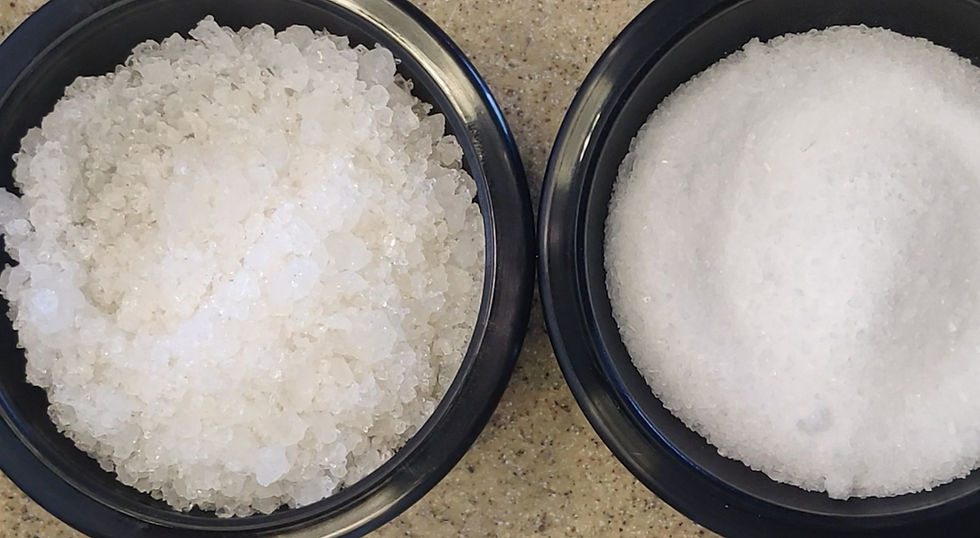
Because the word Dead Sea appears on so many products, it helps to know what to look for. Authentic carnallite should state its Jordanian Dead Sea origin, should be naturally low in sodium chloride rather than desalinated after the fact, and should list magnesium and potassium chloride as its dominant minerals. Crystals are typically slightly moist to the touch, a natural sign of magnesium richness rather than a flaw.
Our Touch of the Sea collection is built entirely around this standard, from single-origin carnallite bath salts to complete Dead Sea ritual sets. You can browse the full range in the Touch of the Sea collection.
A Quieter Kind of Bath
Carnallite salt is not a trendy ingredient. It is simply the part of the Dead Sea that does what people hope a Dead Sea bath will do. By choosing a salt where magnesium leads and sodium steps back, you turn an ordinary soak into a genuine mineral ritual, one that leaves your skin comfortable and your body noticeably more at ease. For anyone seeking gentle, mineral-based self-care, it is the most natural place to begin.
Frequently Asked Questions
What is carnallite salt made of?
Carnallite is a natural Dead Sea mineral composed primarily of hydrated magnesium and potassium chloride, with only a small proportion of sodium chloride. This composition is the opposite of regular sea salt, which is dominated by sodium chloride.
Is carnallite salt the same as regular Dead Sea salt?
No. Many products sold as Dead Sea salt are largely sodium chloride harvested from surface layers. Carnallite crystallizes from the deeper, more concentrated brine and carries a much higher share of magnesium and potassium, which is what gives an authentic Dead Sea bath its characteristic softness.
Why is low sodium chloride better for bathing?
High sodium chloride draws moisture out of the skin and can leave it feeling tight and dry after a soak. A naturally low-sodium salt like carnallite allows magnesium to do its work, so skin feels hydrated and calm rather than stripped.
How often can I take a carnallite mineral bath?
Most people enjoy a carnallite bath two to three times per week, soaking for around twenty minutes in comfortably warm water. Because it is gentle and free of additives, it fits easily into a regular self-care routine.
Where does authentic carnallite salt come from?
Authentic carnallite is sourced from the Jordanian side of the Dead Sea, where it crystallizes naturally in mineral-rich evaporation ponds. It is harvested in its natural state, without blending or artificial mineral adjustment.


Comments