Why Texture Matters: The Power of Micro-Pressure for the Feet
- Mar 15
- 4 min read
by Pure Sea Garden

Our feet are not only structures that support the body. They are sophisticated sensory organs that constantly communicate with the brain.
Each foot contains thousands of nerve endings that send continuous streams of information upward through the nervous system. Every step we take, every surface we stand on, and every texture we feel under the soles becomes part of a complex sensory dialogue between the body and the brain.
This conversation influences far more than we often realize.
The Foot–Brain Connection
The soles of the feet contain specialized sensory receptors called mechanoreceptors. These tiny cells respond to touch, pressure, vibration, and movement of the skin.
When the foot presses against a surface, mechanoreceptors convert that physical sensation into electrical signals that travel to the brain within milliseconds. Through this constant feedback, the brain adjusts posture, balance, and movement.
But this communication goes beyond coordination. Sensory input from the feet also interacts with the autonomic nervous system - the system that regulates stress, relaxation, and internal balance.
When the feet receive varied stimulation, the brain becomes more aware of the body’s position and state. This sensory input can support:
• improved balance and posture
• better circulation
• increased body awareness
• reduced stress through parasympathetic nervous system activation
In simple terms, the richer the sensory signals from the feet, the more precisely the brain can regulate the body.
Micro-Pressure: Small Signals With Powerful Effects

One of the most effective ways to stimulate the feet is through micro-pressure - gentle, uneven pressure across different areas of the sole.
Natural surfaces such as sand, pebbles, soil, or mineral crystals create tiny variations in pressure that activate many nerve endings at once. Each point of contact sends signals to the brain, creating a rich sensory experience.
This concept is similar to what is explored in reflexology practices, where different areas of the feet correspond to different parts of the body. While reflexology itself is a traditional practice, modern neuroscience also recognizes that stimulating the dense network of nerves in the feet can influence how the brain processes sensory input.
Walking barefoot on natural terrain is one example of this phenomenon. Studies observing barefoot walking suggest that irregular surfaces encourage the body to make small postural adjustments, strengthening both muscles and sensory awareness.
In modern environments, however, our feet rarely experience these natural textures.
Flat indoor floors, thick shoe soles, and highly uniform surfaces reduce the variety of sensory signals reaching the nervous system. Over time, the feet can become relatively under-stimulated.
Reintroducing textured surfaces may help restore some of that lost sensory dialogue.
Why Mineral Texture Is Different

Not all surfaces stimulate the feet in the same way.
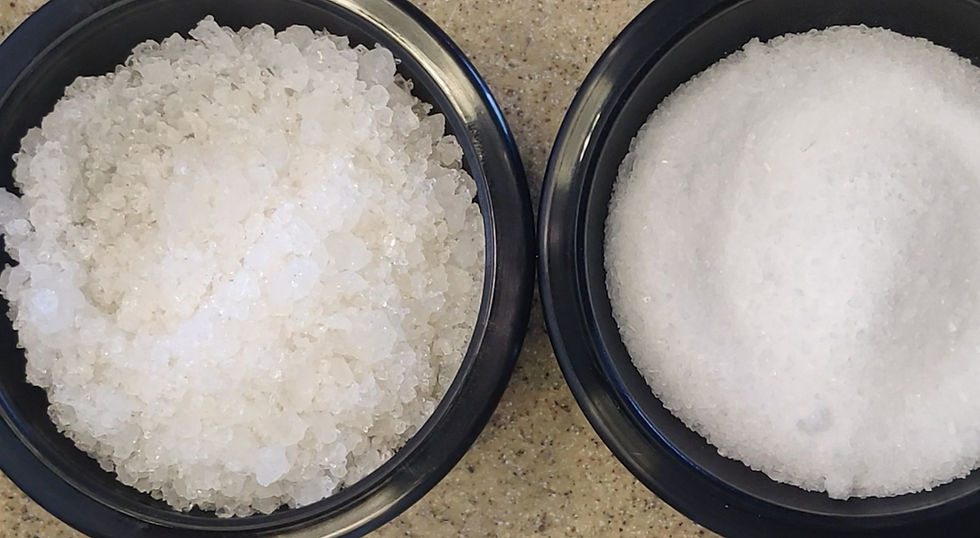
Very smooth surfaces offer little sensory input. Fine powders or flat materials create minimal stimulation. Mineral crystals, however, naturally form irregular shapes that create subtle variations in pressure when the feet make contact with them.
Carnallite salt is particularly interesting in this context.
This rare mineral from ancient evaporated seas contains magnesium, potassium, and trace elements. Its crystalline structure forms uneven surfaces that create gentle micro-pressure across the sole when someone stands on it.
Many people notice a distinct sensory response when standing on Carnallite crystals - small points of contact that stimulate the feet in multiple areas at once. Rather than being uncomfortable, the sensation is often described as grounding and calming.
In this way, Carnallite can act as a mineral surface that awakens sensory communication between the feet and the nervous system.
A Simple Sensory Practice
You don’t need complex tools to stimulate the feet.
One simple approach is to stand barefoot on a small layer of mineral crystals placed on a towel or in a shallow bowl. Standing still for several minutes allows the body to gradually adapt to the texture while the nerve endings in the feet become more active.
This can also be combined with external mineral supplementation through the skin. After standing on the crystals, many people enjoy soaking their feet in warm water with dissolved Carnallite salt. The warm mineral bath can deepen the relaxing sensation while the feet continue receiving both sensory stimulation and mineral contact. Many people notice subtle sensations during the practice:
• gentle tingling
• warmth spreading through the feet
• gradual muscle relaxation
• a quieting of mental activity
This happens not because of forceful pressure, but because thousands of tiny sensory signals are being transmitted to the brain at once.
In a way, the body is simply receiving information it has been missing.
Reawakening the Intelligence of the Feet
Our ancestors walked daily on natural terrain - soil, sand, stones, and plant fibers. These surfaces constantly stimulated the feet and maintained strong sensory connections with the environment.
Modern life has softened that relationship.
Reintroducing texture, minerals, and natural surfaces can be a gentle way to reconnect with the body’s sensory systems.
Sometimes the most powerful experience is simply standing still, feeling the texture beneath your feet, and allowing the nervous system to recalibrate.
A few minutes of stillness can become a surprisingly powerful sensory reset.
With passion
Anna


Comments